
The Behavioral Patterns of Gamblers
The psychology of gamblers is deeply rooted in their behavioral patterns, showcasing a blend of risk-taking tendencies and decision-making processes that are significantly influenced by the casino environment. Gamblers often approach casinos with a unique mindset, fueled by the thrill of potential winnings and the excitement surrounding the games, making platforms like goldbet particularly appealing. This mindset can lead to various behaviors, such as chasing losses or experiencing heightened arousal during gameplay, which frequently results in impulsive decision-making. These behaviors exemplify the intricate relationship between emotions and gambling, emphasizing how psychological factors shape a gamer’s experiences within the casino setting.
Moreover, research has shown that gamblers frequently display patterns of cognitive dissonance, wherein they rationalize their losses while enhancing the perceived value of their wins. This can manifest in the way players recall past gaming sessions, often leading to a distorted perception of their overall success. For instance, a gambler may vividly remember the exhilaration of a rare win while conveniently overlooking a string of losses, which reinforces their desire to continue gambling. Understanding these cognitive biases is crucial to comprehending why individuals persist in their gambling habits, even when faced with unfavorable odds.
Another vital behavioral aspect is the concept of gambling addiction, which is increasingly recognized as a psychological disorder. The thrill that accompanies risk-taking can lead to compulsive gambling, wherein individuals feel an uncontrollable urge to gamble, often jeopardizing their financial stability and personal relationships. Various psychological factors contribute to this addiction, including past traumas, a desire for escapism, and the fluctuating emotions tied to the gambling experience. A deeper understanding of these behavioral patterns is essential for addressing gambling addiction and providing effective support mechanisms for those in need.
The Influence of Environment on Gambling Behavior
The environment within a casino plays a pivotal role in shaping gambling behavior. Casinos are meticulously designed to immerse players in an engaging atmosphere, characterized by bright lights, captivating sounds, and a plethora of games that appeal to the senses. This sensory overload can create a euphoric state, making it easy for players to lose track of both time and money. The ambiance is strategically crafted to maximize engagement, often leading gamblers to spend more than they initially intended to. Understanding the impact of such an environment can provide insights into why certain individuals may gamble more irresponsibly.
Additionally, a casino’s layout is intentionally designed to encourage exploration and social interaction, further driving gambling behavior. Games are often situated in close proximity to one another, creating a communal space that fosters a sense of camaraderie among players. This social aspect can not only enhance excitement but also lead to increased time spent gambling, as players engage with both the games and their peers. The desire for social validation can amplify risk-taking behavior, as individuals may feel pressured to participate in group betting or high-stakes games, thereby increasing their overall gambling expenditure.
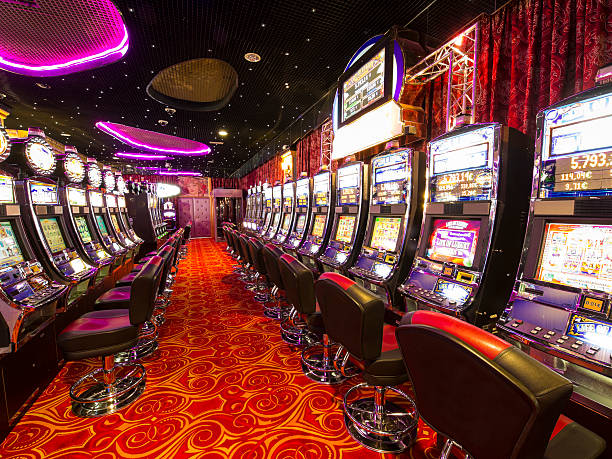
The implementation of rewards and incentives within the casino environment also significantly influences gambling behavior. Loyalty programs, complimentary drinks, and exclusive bonuses are tactics used by casinos to keep players engaged. These rewards can create a sense of entitlement or expectation, leading gamblers to believe they are more likely to win than they statistically are. This illusion can perpetuate the cycle of gambling, as players continuously chase the next reward, often placing themselves in precarious financial situations without realizing the long-term consequences of their actions. Such insights are crucial for understanding the broader implications of casino design on gambling behavior.
The Role of Emotions in Gambling Decisions
Emotions play a critical role in shaping gambling decisions, often leading players to act in ways that contradict rational thinking. The thrill of winning can elicit a dopamine rush, enhancing feelings of excitement and prompting a desire for even greater risks. Conversely, losses can trigger emotions like frustration or anxiety, which may lead gamblers to chase their losses in hopes of reclaiming what they have lost. This emotional rollercoaster significantly impacts decision-making processes, as individuals may make impulsive bets in response to heightened emotions rather than engaging in calculated risk assessment.
Furthermore, a gambler’s emotional state can profoundly influence their perception of probability and risk. For example, a player who is feeling particularly lucky may underestimate the odds of a game, becoming overly confident in their betting decisions. This phenomenon can also lead to the gambler’s fallacy, wherein individuals believe that previous outcomes will affect future results, despite the inherent randomness of games of chance. Recognizing how emotions can cloud judgment is essential for understanding the psychological traps that gamblers may fall into, often leading to detrimental financial consequences.
The interplay between emotions and gambling can also manifest in social settings, where gambling serves as an emotional outlet. For many, it provides a means to escape everyday stresses or bond with friends in a high-energy environment. This communal aspect can amplify emotions and increase the commitment to betting, as individuals feel a stronger urge to engage when surrounded by others. Recognizing the role of emotions in gambling is crucial for developing strategies to promote responsible gambling practices and for providing support to those who may be struggling with their gambling habits.
The Concept of Risk and Reward in Gambling
The psychology of risk and reward is fundamental to understanding the motivations behind gambling activities. Gamblers are often drawn to the possibility of significant rewards, which can distort their perception of risk. The concept of “near misses,” where a player almost wins but ultimately loses, is particularly enticing as it creates an illusion of control and encourages continued play. This psychological phenomenon reinforces the belief that a win is just around the corner, fueling the desire to play longer and wager more, often despite the statistical reality.

Additionally, the thrill associated with high-stakes gambling is frequently amplified by the potential for substantial rewards. For many gamblers, the element of risk is integral to the excitement, and they tend to justify their actions by focusing on the possible upside rather than the likelihood of losing. This tendency is particularly evident among those who view gambling as a pathway to financial freedom or an escape from personal troubles. The allure of a life-changing win can overshadow rational considerations of risk, leading to negative outcomes that can affect various aspects of their lives.
Understanding the risk-reward dynamic is vital for informing responsible gambling practices. Educators and mental health professionals can work to raise awareness about these perceptions and misconceptions, enabling individuals to make more informed decisions. By promoting a better understanding of the odds and potential outcomes, it is possible to mitigate the impact of cognitive biases that often lead to irresponsible gambling. Moreover, creating educational resources can empower players to recognize the inherent risks associated with gambling activities, encouraging healthier habits and more responsible gaming practices.
Insights From Research on Gambling Psychology
Research in gambling psychology has provided valuable insights into the behaviors and motivations of gamblers. Studies often focus on understanding the psychological mechanisms that drive gambling addiction, such as impulse control, cognitive biases, and emotional regulation. By uncovering these underlying mechanisms, researchers aim to develop targeted interventions that can help mitigate gambling-related harms. These insights are crucial for mental health professionals working with individuals affected by gambling addiction, providing them with a framework for effective treatment strategies.
Additionally, qualitative research methods, including interviews and focus groups, offer a window into the personal experiences of gamblers. Such studies reveal how social, cultural, and environmental factors intersect with psychological elements to shape gambling behaviors. By examining these lived experiences, researchers can identify potential triggers for problematic gambling and suggest ways to foster healthier gambling environments. The emphasis on personal narratives helps to humanize the broader trends observed in quantitative studies, making the data more relatable and impactful.
As the understanding of gambling psychology evolves, it is essential to continue the conversation about responsible gaming. Educational campaigns and resources that incorporate findings from research can help inform gamblers about their psychological tendencies and the potential risks involved. This holistic approach not only raises awareness but also encourages gamblers to reflect on their patterns, making informed decisions about their gambling activities. By fostering a culture of responsible gambling, we can work towards minimizing the negative consequences associated with gambling behaviors.